
Initializing Folkmark Strategy Engine
Secured Artifact
Invalid Key
Everything else in this document follows from this idea—or it doesn't belong.
Prosperity Catalyst is re-emerging after a roughly two-year operational hiatus. This document is not only a brand framework—it is partly a diagnosis of what reactivation requires: where the organization stands, what needs to be rebuilt, and what conditions must be in place before PCAT can operate at full strength.
Global trade conditions are also shifting. Rising tariffs, supply chain restructuring, and the contraction of institutional capital are not abstract headwinds—they directly affect the viability of the model PCAT has historically operated. This document names that plainly. The question is not only how to secure more funding. It is how to redesign the model so that it transfers more economic power to the women it serves.
This brand refresh is the strategic foundation for that work. It equips leadership to articulate a coherent direction, build institutional trust, and speak with precision to the buyers, partners, and supporters capable of unlocking real market access for women in Haiti and Iraq.
Prosperity Catalyst spent years working directly with women producers in Haiti and Iraq—purchasing their goods, managing export logistics, and bringing their work to international markets. That hands-on model generated something durable: documented proof that women in these contexts can produce at commercial quality, maintain consistency, and meet the standards global buyers require. The capability is real.
Demonstrated production capability opens a new set of possibilities. Women who have already proven they can supply global markets are ready for the next step: direct buyer relationships, trade knowledge they hold, and commercial standing that doesn't depend on a single intermediary. PCAT's evolution is about building on what was proven—connecting women directly to the importers and buyers who want what they make.
The products were never the end goal—they were proof of capability.
That proof is the foundation. This evolution of PCAT's model is built on what the women have already demonstrated—and designed to take it further into the market.
Articulating the core principles of dignity, stewardship, and enterprise.
To expand economic possibility for women where opportunity has long been constrained.
We envision a world where women in fragile environments are recognized as enterprise actors—builders of households, markets, and long-term commercial resilience.
Women are seen and supported as builders and economic actors—never reduced to symbols of need.
The work is grounded in real pathways: skills, business support, investment, market access, and trade knowledge.
We stay close to real people, real constraints, and real economic conditions.
Support is handled with care. The goal is lasting capacity, commercial standing, and locally rooted strength.
Women-led enterprise in fragile contexts—with direct market access.
It avoids vague "empowerment" language and startup metaphors. It lets the organization speak plainly about training, mentorship, income, market access, and the commercial relationships that make participation last.
Prosperity Catalyst is a women's enterprise organization working in Haiti and Iraq. It pairs practical training with one-on-one mentorship, early investment, and market connections to help women build income, commercial standing, and longer-term economic independence.
The work does not end at production. It is designed to support real market participation—connecting women to buyers, building trade knowledge, and ensuring that the capability they demonstrate translates into relationships and income they own.
Practical pathways to direct market participation.
Through skills training, mentorship, market connections, and trade knowledge, we help women move from production capacity toward market participation. The work is designed to transfer knowledge, relationships, and pricing power—not just income—to the women it serves. This is not abstract impact. It is grounded, human, and ongoing.
Prosperity Catalyst is building on years of direct field work with women producers in Haiti and Iraq. The organization is evolving from the role of primary buyer and retailer—which proved that the capability was real—to the role of market connector and capability builder, extending more trade knowledge and commercial opportunity directly to the women this work exists to serve.
This shift is reinforced by external conditions. Rising tariffs, supply chain restructuring, and buyer interest in verified producers from underrepresented markets create real commercial demand for what these women can supply. The opportunity is practical, not only principled.
How we speak, what we highlight, and the language we avoid.
Our tone is human, not sentimental.
We show care without manipulation. We are economically literate, talking about work, market access, and income without turning people into abstractions. We are confident, never overclaiming. We speak about women as artisans and enterprise actors—skilled producers with demonstrated capacity and the right to participate directly in global markets. Never reduce them to beneficiaries or symbols of need.
Three pillars. One idea.
When women gain the means to earn and participate in markets, the effects extend beyond the individual. Households stabilize. Decisions shift. Commercial standing changes. This is not symbolic—it is practical and visible. The measure of this work is not transactions; it is the transfer of economic agency.
Change starts with usable pathways. Skills that can be applied. Training that connects to market access. Support that makes action possible. The outcome is direct participation in commerce—not mere production, not mere completion of a training program.
Effort alone is not enough. Women need direct connections to buyers, trade knowledge, pricing power, and the kind of commercial relationships that compound over time. This is how enterprise becomes durable. PCAT's role is to create and facilitate those connections—not to stand between women and the market.
Use these stories consistently to make the pillars real.
Who this work centers, and who must be engaged to make it possible.
Every strategic decision, every external relationship, and every communication choice must be evaluated against one question: does this increase economic power, participation, and agency for women in Haiti and Iraq? Buyers, institutional partners, and connectors matter—but they matter because they are necessary to unlock greater opportunity for women. They are not the center of this work.
A high-capacity individual donor, family office, or private foundation looking for organizations that combine moral seriousness with operational credibility. They are not moved by volume metrics—they are moved by evidence that an organization understands its own model and can articulate where the money goes and why it matters.
An importer, distributor, or sourcing director in the U.S., Canada, or Europe actively seeking verified producers in underrepresented markets. They are evaluating supply reliability, quality consistency, and the credibility of the connector—not the mission. The mission earns goodwill; the product and the relationship earn the contract.
A well-networked individual—diaspora leader, civic figure, faith community anchor, or professional with relevant industry ties—who can move introductions, credibility, and access across circles that PCAT cannot reach through direct outreach alone. Their value is the relationships they hold and are willing to put to use.
Imagery and identity standards that center dignity and reflect real economic participation.
Our imagery should reflect capability, precision, focus, and real economic participation. We present women as makers, operators, market participants, and commercial actors. The goal of our photography is never pity, never passive gratitude—but profound respect for the work being done and belief in the person doing it.
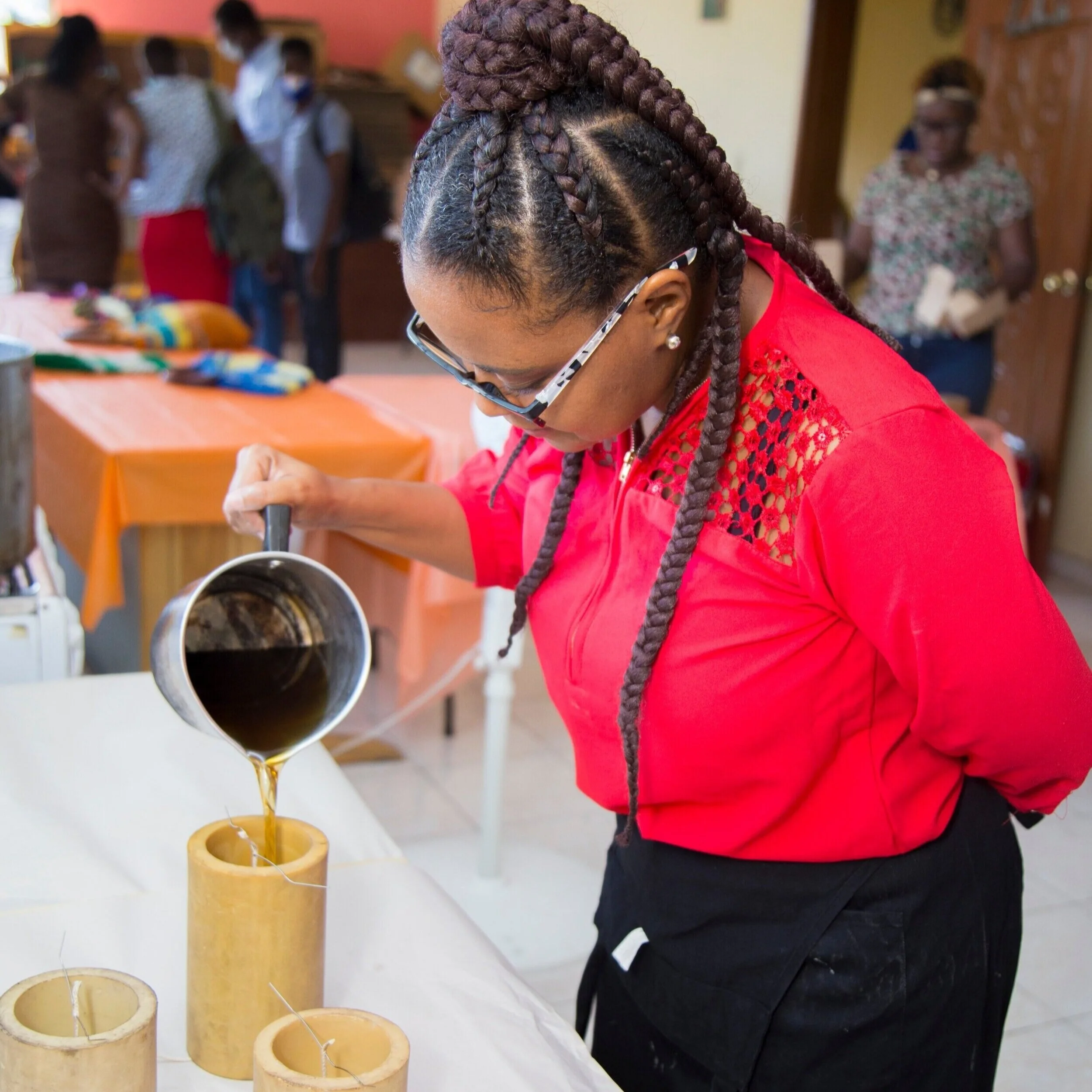
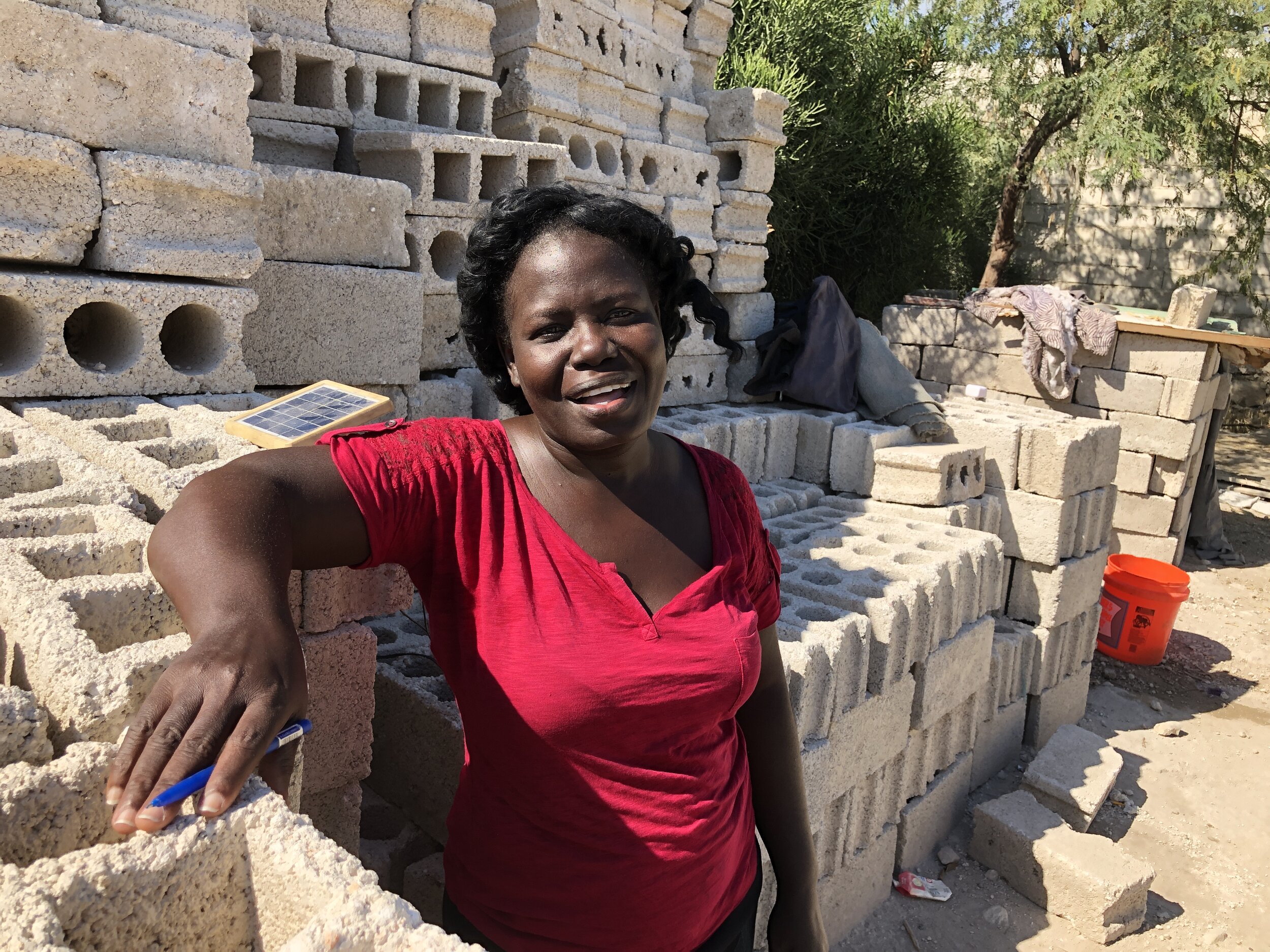
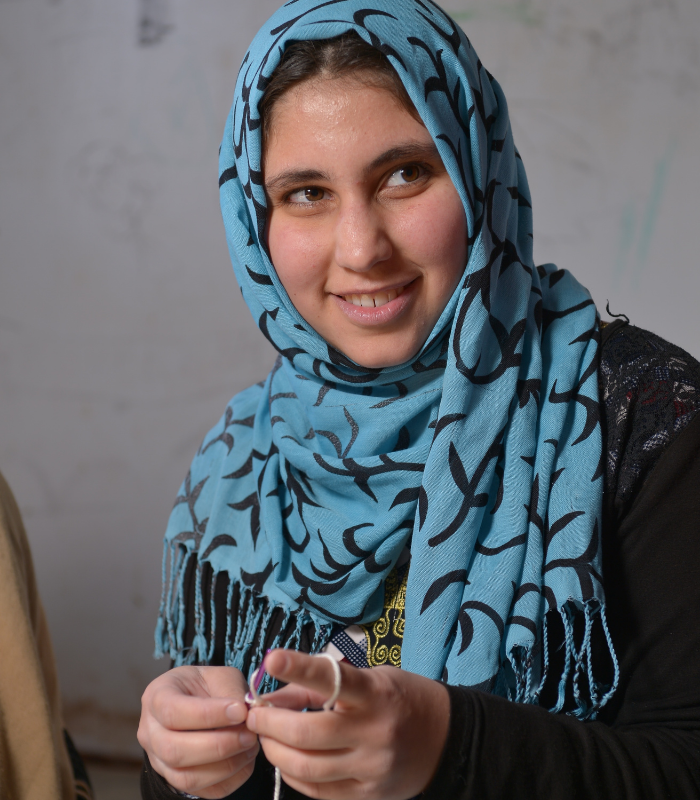
When utilizing video, select cuts where the subject discusses their craft, their business networks, and their personal command of the work. Avoid footage that isolates or diminishes the speaker. The subject should appear as someone building something—not someone being helped.
The specifications and standards that keep the brand coherent at every scale.
Typography carries institutional authority.
Two typefaces, two roles. URW Classico handles display use—titles, chapter breaks, editorial moments. Inter handles body text and UI. The pairing creates contrast between warmth and precision. Do not alter tracking or leading outside these defined parameters.
Narrative Body. Our supporters are not just donors; they are connectors, advocates, and long-term allies.
Color dictates mood and directs hierarchy.
The palette avoids pure digital values (#000, #FFF) in favor of tones with physical weight. Mineral White and Aubergine Black read as premium print materials. All pairings meet contrast requirements without sacrificing warmth.
Aa
Aa
Aa
Aa
Digital interfaces must not obfuscate intent.
Containers are defined by space, not borders. Buttons use hue-matched drop shadows that surface on interaction. Keep the interface quiet—structure should guide attention without announcing itself.
Stability is non-negotiable.
The layout is built on a 12-column grid anchored at 1600px maximum width. Vertical rhythm is governed by a fluid clamp-based scale. Both constraints hold at every screen size—do not override them.
The indelible mark of Prosperity Catalyst.
Keep the mark isolated. No text, graphics, or other elements within the defined clear space. The full-color mark is for Mineral White backgrounds. The whiteout mark is for Aubergine Black or photographic backgrounds with sufficient contrast.

Demonstrating the system across physical, retail, and digital environments.
Annual Briefing
Prosperity Catalyst • 2025
Prepared for Catalytic Supporters
Each hand-poured candle is made with a light natural rosemary scent and cotton wick, in a gorgeous hammered copper holder. Choose from a large or small candle, it comes in a colorful gift box and a small story card about the woman who made it.
SKU: SK-187715
PCAT no longer holds inventory risk or operates import/export logistics as a primary function. Capital is redeployed toward building producer relationships and buyer connections—not financing stock or absorbing the volatility of retail performance.
A catalyst model is not limited by PCAT's own retail capacity. Relationships with importers and distributors multiply the market reach of women producers far beyond what direct-to-consumer sales could achieve—and they do so without PCAT absorbing the operational load.
Women gain direct buyer relationships, trade knowledge, and pricing power—not just income from a single channel managed by someone else. This is the difference between economic participation and economic dependence. It is why the model change matters.
This repositioning also aligns with a shifting global trade environment. As supply chains restructure and buyers seek verified producers in underrepresented markets, the capability women in Haiti and Iraq have already demonstrated becomes a genuine commercial asset—provided the right connections and knowledge are in place to put it to use.
This framework is not a static rulebook—it is an instrument for the work that matters most. The women in Haiti and Iraq who produce with precision, adapt under pressure, and build enterprise in constrained environments are not waiting for support. They are waiting for access. Prosperity Catalyst exists to create that access: through market connections, trade knowledge, and the kind of commercial credibility that opens doors. Use this system to build that credibility. The goal is not a better brand—it is more economic power in the hands of women who have already proven what they can do.